Residential reinstatement cost assessments.
Accurate rebuild costs for houses and flats across the UK. RICS‑regulated assessments your insurer will accept, BCIS‑indexed and typically delivered within 48 hours.
The basics
What is a residential reinstatement cost assessment?
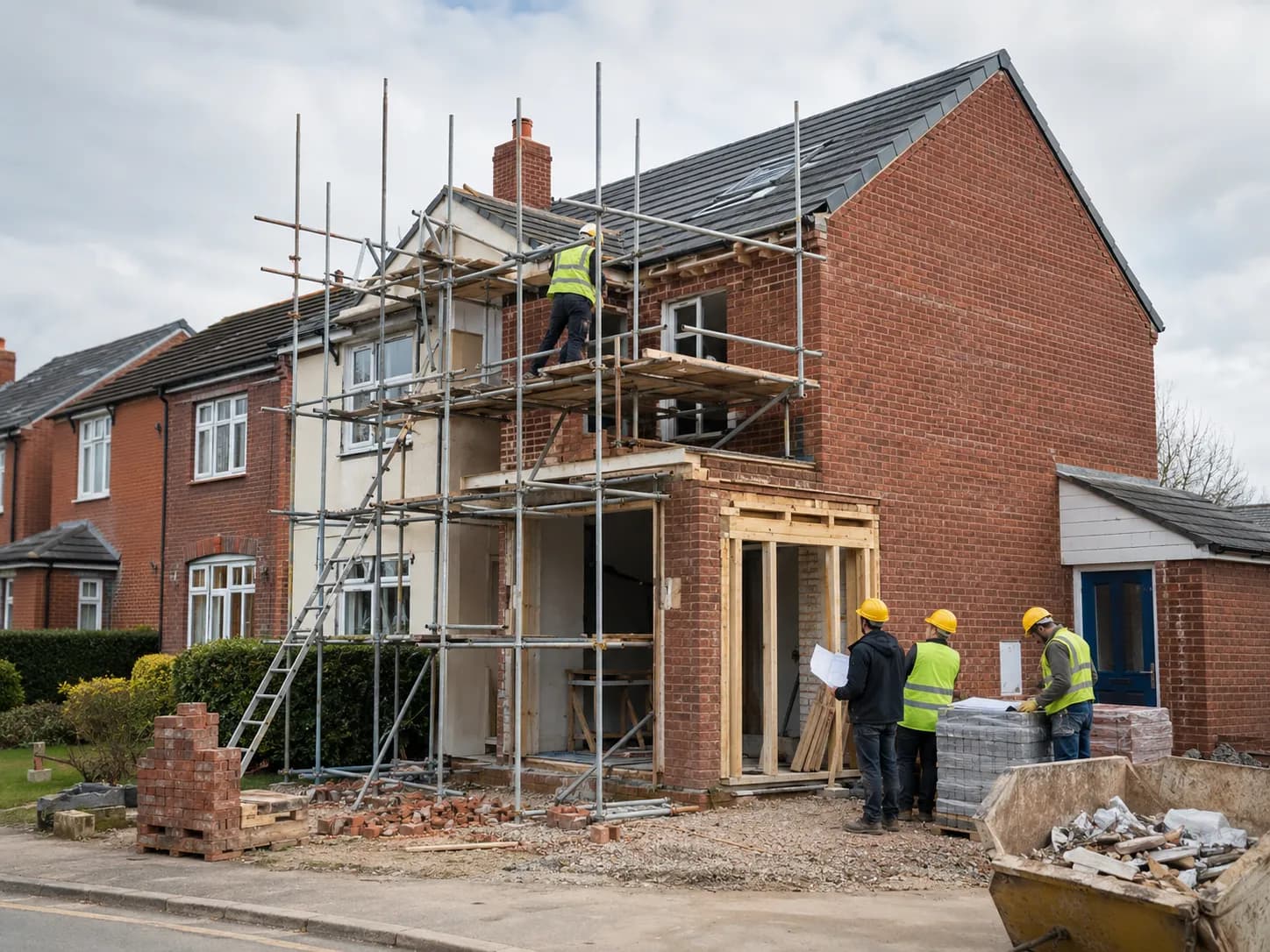
A Residential Reinstatement Cost Assessment (RCA) estimates what it would cost to completely rebuild your property following a total loss, not what it would sell for.
Market value reflects the land, location and demand. A reinstatement cost focuses on the actual cost of putting the building back, including demolition, debris removal, professional fees and other associated costs. The two figures can therefore be very different.
Why does an accurate assessment matter?
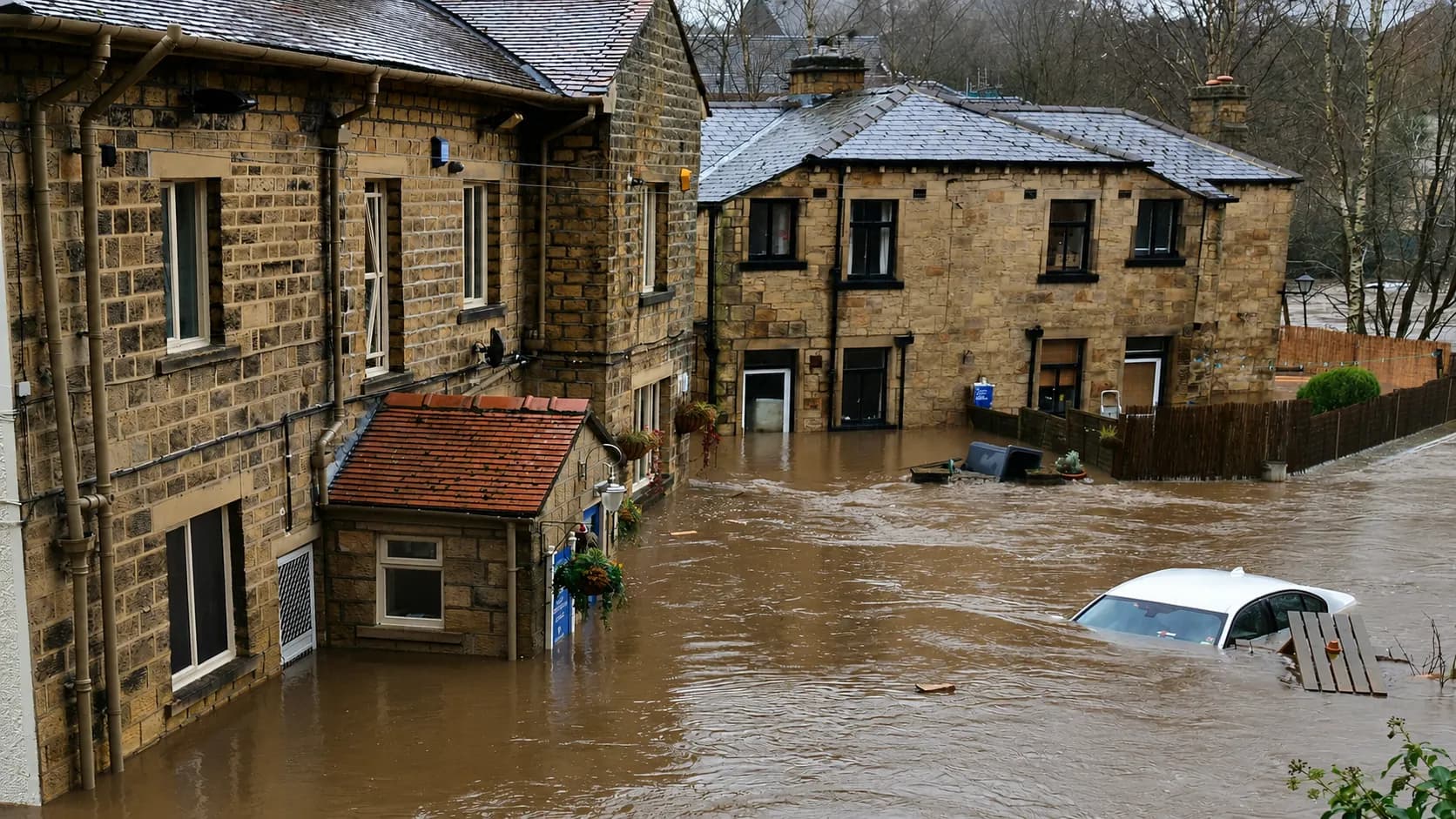
If your property is underinsured, you could be left seriously out of pocket when you need your insurance most.
Following a major loss, the cost of rebuilding can run into hundreds of thousands or even millions of pounds. If your declared reinstatement value is lower than the true cost, your policy may apply a condition of average, potentially reducing the amount your insurer pays towards the claim.
A figure that has simply been carried forward year after year could therefore leave you facing a significant financial shortfall at the worst possible time.
Construction costs, labour rates, materials and your property itself can all change. An accurate, professionally prepared RCA helps ensure your buildings insurance reflects the realistic cost of reinstating your property, rather than relying on an outdated or assumed figure.
Don’t wait until a claim exposes the gap. Make sure your property is adequately insured today.
RICS recommends that reinstatement cost assessments are reviewed regularly, with a full reassessment generally undertaken at least every three years.
Common challenges
Where home cover quietly slips.
Rebuild costs have surged: the BCIS House Rebuilding Cost Index was around 40% higher at the start of 2024 than in 2020 (BCIS). A sum insured set a few years ago and simply rolled forward is very likely to fall short today.

Value, not rebuild cost
A purchase price or mortgage valuation includes the land and location, yet rebuilding covers only the work of putting the property back up. Insuring on market value instead of the true rebuild figure is a common cause of underinsurance on UK homes.
Index‑linking drifts
Annual index‑linking applies a broad national inflation rate that can’t reflect local labour or material prices. Left for a few years, a home’s sum insured quietly falls below what a rebuild would really cost.

Calculators miss detail
Free online calculators give rough averages and struggle with period features, extensions, and non‑standard construction. A professional RICS assessment reflects the real detail of your home and stands up with insurers.
How we help
The right rebuild figure for your home.
Every type of home
Houses, flats, period, and non‑standard construction.
A complete rebuild figure
Fees, debris removal, and regulations, not just the walls.
Broker‑ready in 48 hours
RICS‑regulated and BCIS‑indexed, accepted by UK insurers.

What’s included
More than walls and a roof.
Hover or tap each item for a plain‑English explanation.
- foundationThe full rebuild of the homeRebuilding the whole house from scratch to current standards, not just repairing the damage that occurred.
- deleteDemolition and debris removalSafely clearing the site after a total loss, which has to happen before rebuilding can start.
- architectureProfessional and design feesThe architect, engineer and surveyor costs needed to design and sign off the rebuild.
- gavelBuilding‑regulation complianceMeeting today’s building regulations, which are often stricter than when the home was first built.
- fenceOutbuildings and boundariesGarages, sheds, walls, fences and gates that also need to be rebuilt or replaced.
- trending_upInflation over the rebuild periodAn allowance for prices rising during the time it takes to settle the claim and rebuild.

Frequently Asked Questions.
Common questions about residential reinstatement cost assessments, rebuild cost, and underinsurance.
What is a residential reinstatement cost assessment?
A residential reinstatement cost assessment is a professional calculation of what it would cost to rebuild your home from the ground up if it were destroyed. It covers demolition and debris removal, the rebuild itself, professional fees, and compliance with current building regulations. It is the figure your buildings insurance sum insured should be based on, and it is different from your home’s market value.
Why is the rebuild cost different from what my house is worth?
The market value of a home reflects the land and location as well as the building, and in many areas the land is a large part of the price. Rebuild cost reflects only the physical work of reconstructing the building. The two can be very different, which is why your insurance should be based on a proper rebuild figure rather than the purchase price or a mortgage valuation.
What happens if my home is underinsured?
Most home insurance policies contain a condition of average. If your sum insured is lower than the true rebuild cost, the insurer can reduce any claim payout in proportion to the shortfall, even for a smaller claim such as a kitchen fire. An accurate reinstatement figure protects you from having to fund the gap yourself.
How often should the figure be reviewed?
RICS guidance recommends a full reinstatement cost assessment at least every three years, with index‑linking applied in the years in between. Building costs have risen sharply, so relying on index‑linking alone for longer can leave you underinsured without realising it.
Do you assess flats, period homes, and listed buildings?
Yes. We assess houses, flats, period properties, and listed or non‑standard construction across the UK. Standard homes are usually suited to a desktop assessment, while period, listed, or complex homes benefit from an on‑site survey for full accuracy.
Will my insurer accept the report?
Yes. Every assessment is RICS‑regulated and BCIS‑indexed, and is prepared to be broker‑ready and accepted by UK insurers as evidence of an accurate sum insured.